
Crawlspace Vapor Barriers & Moisture Barriers Kentucky
“Moisture barrier” can mean different things in different estimates. Before comparing prices, ask what the product controls, where it will be installed, and which parts of the crawlspace are included. Phoenix helps homeowners choose ground coverage and moisture-control details based on the actual site.
Vapor control is different from liquid-water control
A ground vapor retarder slows moisture movement from soil into the crawlspace. It is not a drain, a repair for leaking plumbing, or a substitute for managing water entering around the foundation. The name “moisture barrier” does not establish whether a product is intended for vapor resistance, liquid water, or another application.
A useful proposal identifies the product and its intended use rather than relying on a broad marketing term. Ask for the material specifications and installation details.
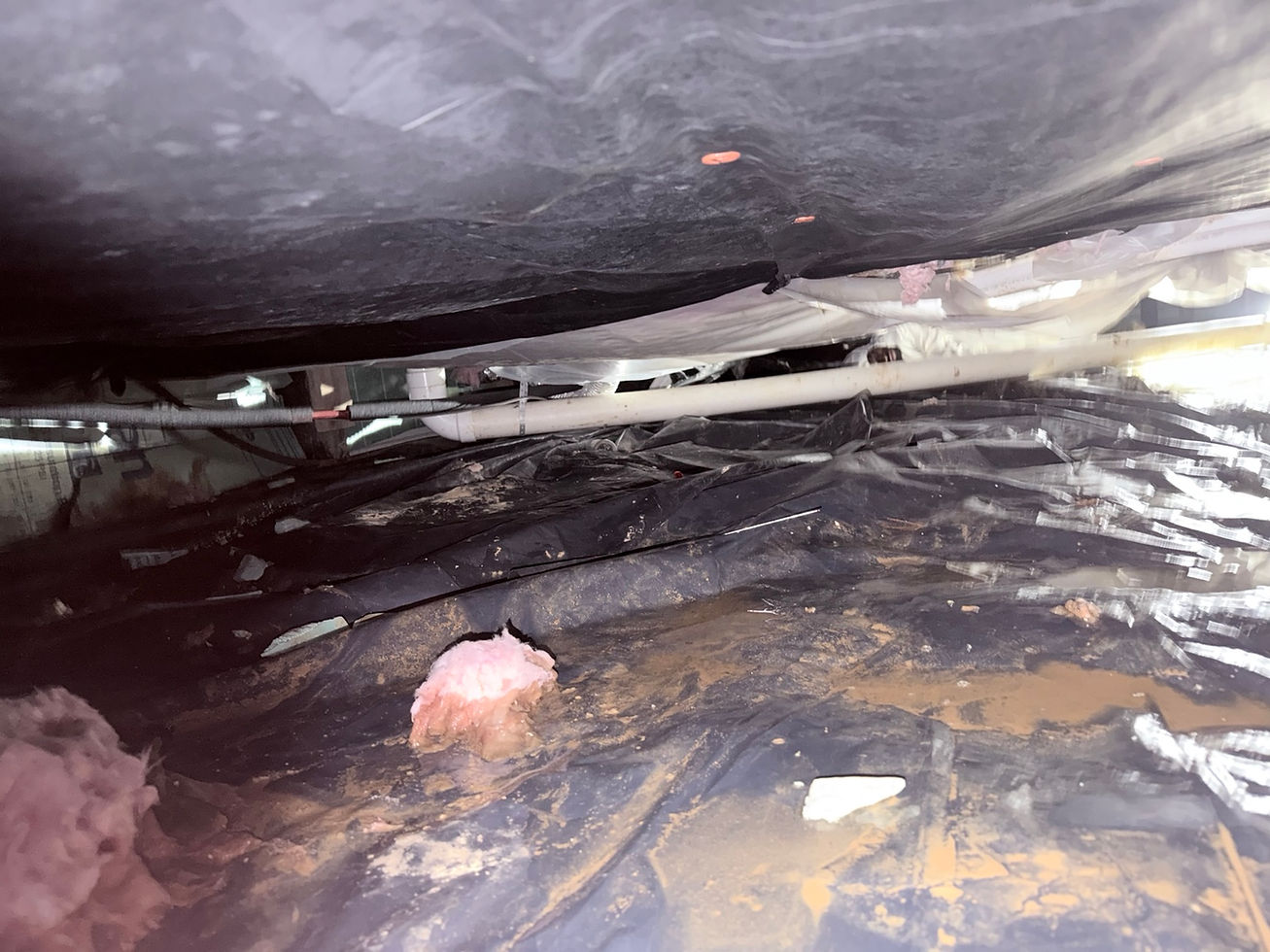
What does 12 mil mean?
A mil is one-thousandth of an inch; 12 mil is 0.012 inch. Nominal thickness does not tell you everything about a liner. Reinforcement, puncture resistance, vapor permeance, compatible tape, and expected traffic also affect suitability. Compare the full product information rather than assuming two liners with the same advertised thickness perform identically.
Five installation details to compare
- Preparation: What sharp debris and unsuitable material will be removed?
- Coverage: Is the proposal ground-only, or does it include walls and supports?
- Seams: How are overlaps sealed with compatible materials?
- Penetrations and edges: How are pipes, supports, and attachment points handled?
- Access and maintenance: How will the space be inspected without damaging the liner?
Installation must preserve required access and inspection provisions. Groundwater, sump equipment, radon concerns, and building systems need their own planning; a liner should not be advertised as a complete solution to every crawlspace issue.
Ground barrier or full encapsulation?
For some properties, replacing damaged ground coverage is the relevant scope. Others need more extensive sealing, humidity control, or drainage. Phoenix explains the difference and lists included components. Existing mold or wet framing may require cleanup and drying before either option.
Can new plastic go over an old liner?
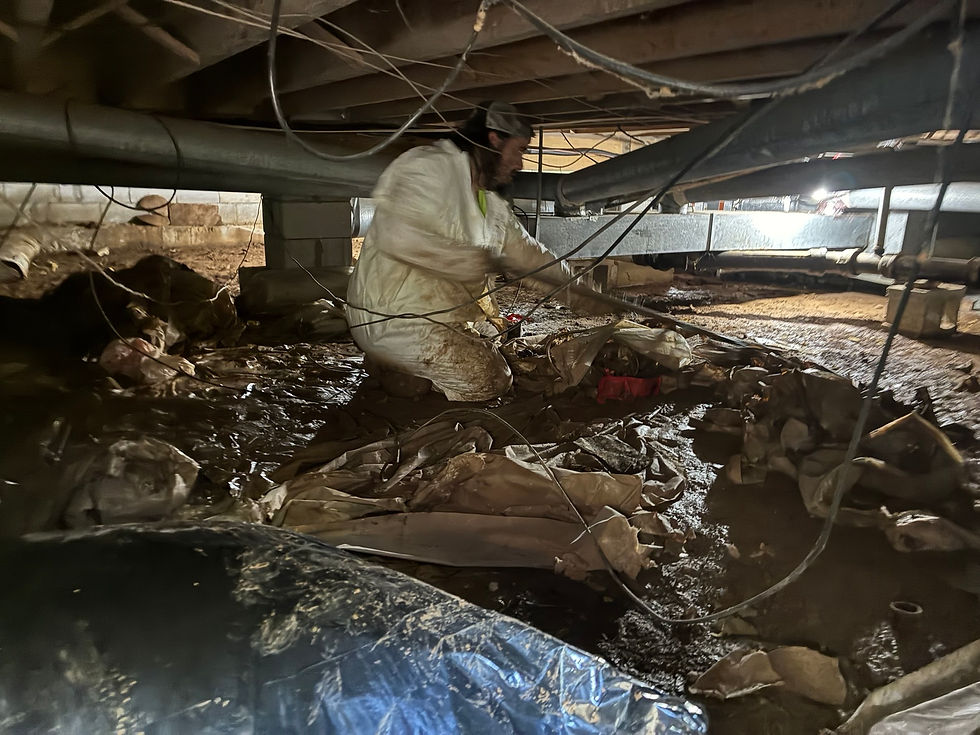
Inspect the existing layers and what is beneath them first. Contamination, trapped water, buried debris, and access can change the preparation required.
Will a thicker liner stop basement seepage?
No. Select water-management measures for the source and pathway. Vapor resistance is only one part of moisture control.
See Phoenix’s encapsulation options and the Building America crawlspace moisture-management resource.
Talk with Phoenix about your property
Based in Mount Sterling, Phoenix Remediation & Restoration serves Lexington, Winchester, Richmond, Morehead, Frenchburg, West Liberty, Campton, and surrounding Central and Eastern Kentucky communities. The inspection and written scope determine which services fit your property.
Jason H. holds individual IICRC certifications in water damage restoration, applied structural drying, applied microbial remediation, fire and smoke restoration, and odor control, plus Xactimate Level 1 and InterNACHI mold inspection credentials. Phoenix carries general liability and pollution liability insurance.
Call 859-585-3750 Request an inspection
PHOENIX • VISUAL FIELD GUIDE
A better crawlspace starts with the cause
Crawlspace Vapor Barriers & Moisture Barriers Kentucky


Comments
Post a Comment
Questions about water damage, mold, crawlspaces, waterproofing, fire damage, or property restoration? Leave a comment below. We welcome homeowner questions and professional discussion. Please keep comments respectful, relevant, and free of spam or promotional links. For professional restoration assistance, visit Phoenix Remediation & Restoration or call 859-585-3750.