
What to Do After Water Damage in Kentucky: A Homeowner’s Guide
What to Do After Water Damage in Kentucky: A Homeowner’s Guide
Discovering water inside your home or business can be overwhelming. Whether the cause is a burst pipe, failed water heater, appliance leak, overflowing fixture, roof leak, flooded basement or stormwater intrusion, what you do next can have a major impact on the extent of the damage.
The first priority is protecting people. The next is stopping the source when it can be done safely and determining how far the moisture has traveled.
Phoenix Remediation & Restoration provides professional water damage mitigation in Kentucky for residential and commercial properties throughout Central and Eastern Kentucky.
1. Make Sure the Area Is Safe
Before entering an area with standing water, consider potential electrical hazards.
Water and electricity are a dangerous combination. If water has reached outlets, electrical equipment, appliances, breaker panels or wiring, do not enter the affected area until it is safe to do so.
Water involving sewage or other contamination should also be treated differently from an ordinary plumbing leak.
Keep children, pets and unnecessary occupants away from contaminated water.
2. Stop the Source of the Water
If the water is coming from a plumbing failure and it can be done safely, shut off the affected fixture or the building's main water supply.
Common sources of water damage include:
- Burst plumbing lines
- Water heater failures
- Washing machine supply lines
- Dishwasher leaks
- Refrigerator supply lines
- Toilet overflows
- Sink and bathtub overflows
- Roof leaks
- Sump pump failures
- Basement flooding
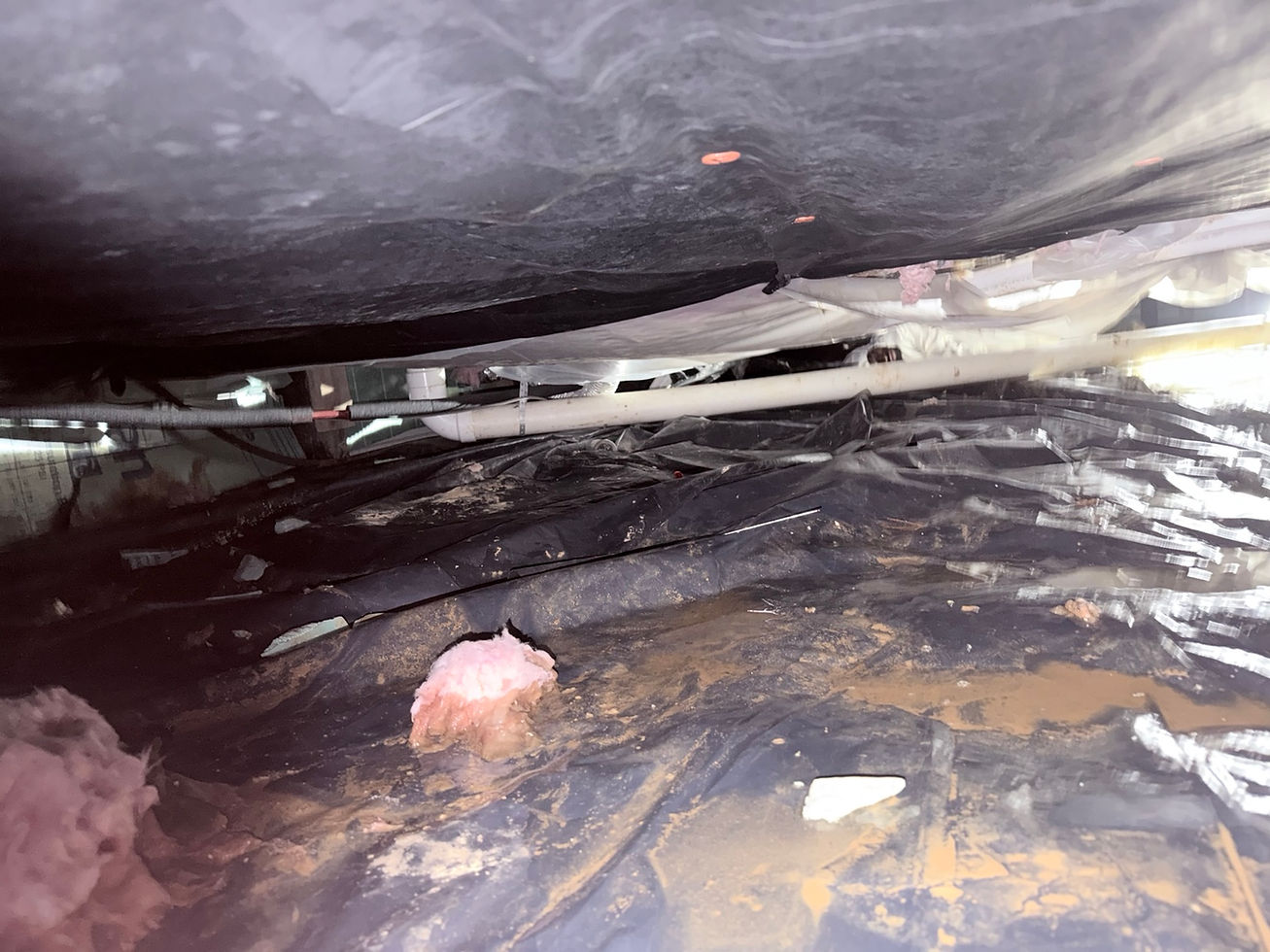
- Crawlspace water intrusion
- Stormwater
- Sewage backups
Stopping the source prevents additional water from entering the structure while the damage is being evaluated.
3. Document the Damage
Before beginning major cleanup, photograph and video the affected areas when practical.
Document:
- Standing water
- Wet flooring
- Water staining
- Damaged drywall
- Wet ceilings
- Affected cabinets
- Damaged contents
- The apparent source of the loss
- Adjacent rooms
- Water migration into lower levels
Good documentation can be important if an insurance claim is later involved.
Phoenix uses professional moisture inspection and documentation as part of our water damage restoration and mitigation process.
4. Remove Standing Water Quickly
Standing water should generally be addressed as quickly as practical.
Removing visible water reduces the amount of moisture that must later be removed through evaporation and dehumidification.
However, simply removing the water you can see does not necessarily mean the structure is dry.
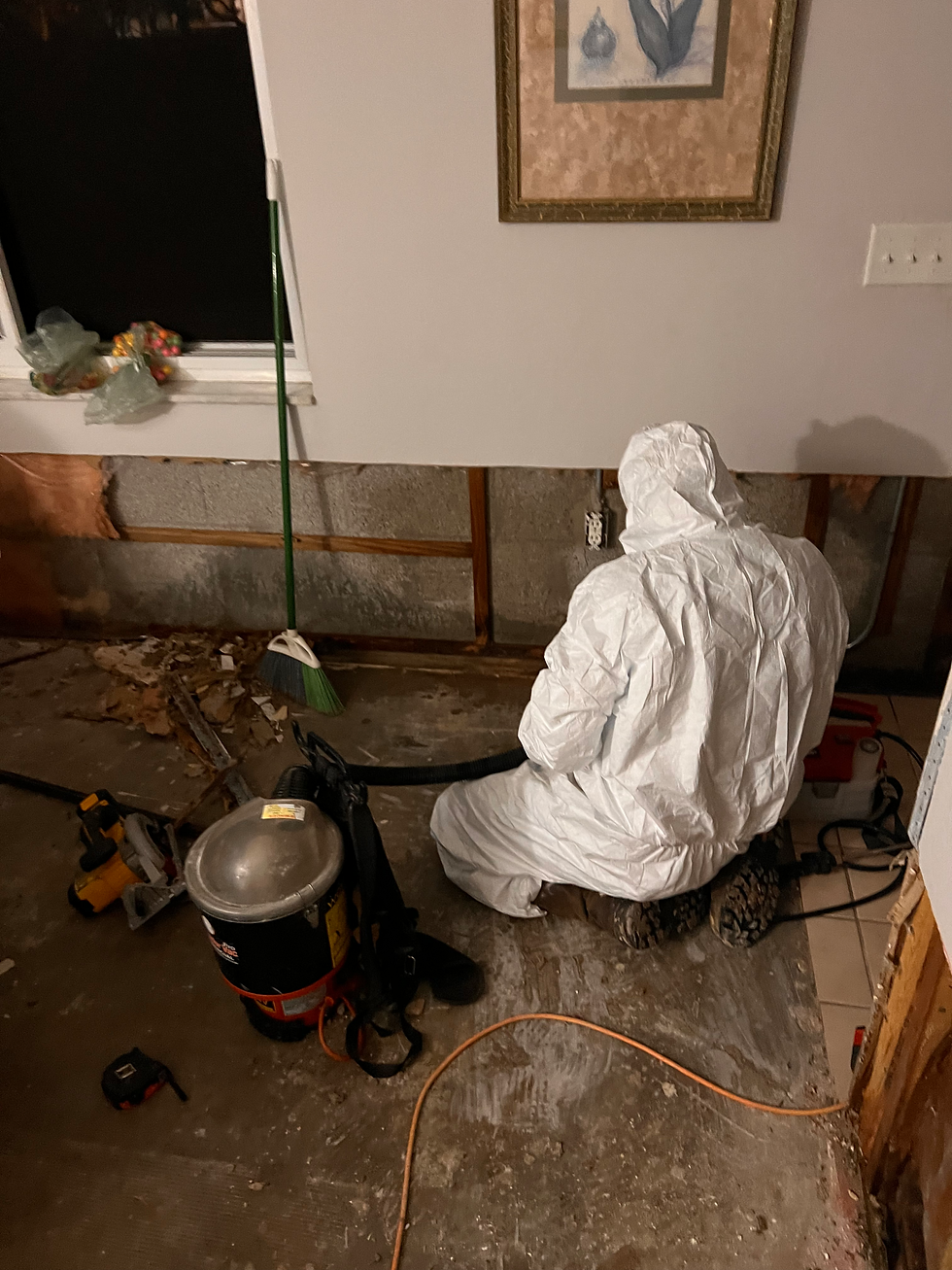
Water may already have migrated beneath flooring, behind baseboards, into wall cavities, cabinets, insulation, subflooring and structural framing.
For significant standing water, Phoenix provides professional emergency water extraction.
5. Don't Assume a Surface Is Dry Because It Looks Dry
This is one of the most common mistakes following water damage.
A wall can look dry while moisture remains inside the drywall or wall cavity.
Flooring may appear dry while the subfloor beneath it remains wet.
Baseboards may conceal moisture along the bottom of the wall.
Water can migrate into:
- Drywall
- Insulation
- Wall cavities
- Wood framing
- Subflooring
- Hardwood flooring
- Carpet padding
- Cabinets
- Ceilings
- Crawlspaces
Professional moisture meters can help determine whether building materials still contain elevated moisture.
6. Understand the Difference Between Water Extraction and Water Mitigation
These terms are sometimes used interchangeably, but they describe different parts of the restoration process.
Water Extraction
Water extraction primarily involves removing standing or excess water.
Professional extraction equipment can remove considerably more water than household towels, shop vacuums or mops.
Water Damage Mitigation
Water mitigation is the broader process of limiting additional damage.
It may include:
- Water extraction
- Moisture inspection
- Moisture mapping
- Removal of unsalvageable materials
- Structural drying
- Air movement
- Dehumidification
- Moisture monitoring
- Contents protection
- Documentation
- Cleaning and treatment when appropriate
Learn more about professional water damage mitigation services.
7. Structural Drying Is More Than Setting Up Fans
Household fans may move air, but professional structural drying is based on controlling the drying environment.
Commercial drying equipment may include:
- Air movers
- Dehumidifiers
- Water extraction equipment
- Moisture meters
- Hygrometers
- Thermal imaging equipment when appropriate
The goal is not simply to blow air around the room.
The goal is to promote evaporation from wet materials while removing moisture from the surrounding air.
Moisture readings should then be used to evaluate drying progress.
8. Wet Materials May Not Always Need to Be Removed
Another common misconception is that everything that gets wet must automatically be demolished.
That isn't always the case.
Whether a building material can be dried depends on factors such as:
- Material type
- Amount of water absorbed
- Duration of exposure
- Contamination
- Accessibility
- Deterioration
- Construction assembly
- Ability to establish effective drying conditions
Professional water mitigation should involve determining what actually needs to be removed rather than automatically performing unnecessary demolition.
9. Watch for Signs of Hidden Water Damage
Hidden water damage may not become obvious immediately.
Potential warning signs include:
- Musty odors
- Discolored drywall
- Water stains
- Peeling paint
- Bubbling paint
- Swollen baseboards
- Warped flooring
- Soft drywall
- Elevated indoor humidity
- Condensation
- Wet insulation
- Unexplained microbial growth
If you experienced a leak and aren't sure whether everything dried properly, a moisture inspection may help identify areas that deserve additional investigation.
10. Water Damage Can Create Conditions for Microbial Growth
Mold and other microbial growth require moisture.
This is why unresolved moisture problems should not simply be covered with paint, flooring or new drywall.
The moisture source must first be identified and corrected.
Persistent moisture may result from:
- Plumbing leaks
- Roof leaks
- Wet crawlspaces
- Basement seepage
- Poor drainage
- Condensation
- High humidity
- Previous water damage
Phoenix Remediation & Restoration's restoration experience includes water damage, structural drying and microbial remediation, which allows us to evaluate more than just the visible surface damage.
You can learn more about our restoration and remediation services at Phoenix Remediation & Restoration.
11. Be Careful With Sewage Water
Sewage backups and other contaminated water events require additional precautions.
Avoid direct contact with contaminated water and affected materials.
Porous materials exposed to significant sewage contamination may require removal rather than ordinary drying and cleaning.
Professional restoration procedures should account for contamination, worker protection, containment and appropriate cleaning.
12. Keep Good Records if Insurance Is Involved
If you intend to file an insurance claim, maintain organized documentation.
Useful records may include:
- Photographs
- Videos
- Moisture readings
- Equipment records
- Restoration estimates
- Scope of work
- Contractor invoices
- Damaged-content lists
- Communication with the carrier
- Receipts for emergency expenses
Whether a particular loss is covered is ultimately determined by the insurance company and the terms of the policy.
When Should You Call a Water Damage Restoration Company?
Consider professional assistance when:
- There is significant standing water
- Water has entered walls or flooring
- Multiple rooms are affected
- A ceiling or wall assembly is wet
- Insulation has been affected
- You suspect hidden moisture
- Sewage is involved
- The affected area is difficult to access
- A commercial building is involved
- You need professional drying
- You need documentation for an insurance claim
- You are uncertain whether the structure is actually dry
If standing water is present, professional emergency water removal and extraction can help begin the mitigation process.
Water Damage FAQs
How quickly should water damage be addressed?
Water damage should generally be addressed as soon as practical because moisture can migrate into additional materials and remain hidden after the visible water has been removed.
Can drywall be dried instead of removed?
Sometimes. Whether drywall can be dried depends on the type of water, level of saturation, condition of the material and the ability to establish effective drying conditions.
Can water travel behind walls?
Yes. Water can migrate through wall cavities, insulation, flooring systems and other building assemblies.
How do restoration companies know when materials are dry?
Professional restoration companies use moisture meters and environmental readings to evaluate drying progress rather than relying only on appearance.
Should I use household fans after a water leak?
Household fans may help with minor surface moisture, but they are not a substitute for professional drying when significant building materials have become wet.
Does water damage always cause mold?
No. However, persistent moisture creates conditions that can support microbial growth, which is one reason effective drying is important.
Professional Water Damage Help in Kentucky
Phoenix Remediation & Restoration provides professional restoration services for homeowners, landlords, businesses, property managers and other property owners throughout Central and Eastern Kentucky.
Our services include water extraction, water damage mitigation, structural drying, moisture detection, mold remediation, sewage cleanup, fire and smoke restoration, crawlspace moisture control, waterproofing and drainage solutions.
🔥 Visit Phoenix Remediation & Restoration
📅 Schedule an Inspection or Consultation
📞 Call or Text: 859-585-3750

About the Author
Jason H. is a restoration professional with specialized training and certifications in water damage restoration, applied structural drying, microbial remediation, fire and smoke restoration, odor control, mold inspection, and Xactimate estimating.
Learn more about Phoenix Remediation & Restoration or call 859-585-3750 for restoration assistance in Central and Eastern Kentucky.
PHOENIX • VISUAL FIELD GUIDE
Water damage: follow the moisture
What to Do After Water Damage in Kentucky: A Homeowner’s Guide


Comments
Post a Comment
Questions about water damage, mold, crawlspaces, waterproofing, fire damage, or property restoration? Leave a comment below. We welcome homeowner questions and professional discussion. Please keep comments respectful, relevant, and free of spam or promotional links. For professional restoration assistance, visit Phoenix Remediation & Restoration or call 859-585-3750.