
Emergency Water Extraction in Winchester KY: What Homeowners Should Do First
Emergency Water Extraction in Winchester KY: What Homeowners Should Do First

A burst pipe, failed water heater, overflowing appliance, plumbing leak or flooded basement can put a large amount of water into a Winchester home in a very short period of time.
When that happens, removing the visible water is only the beginning.
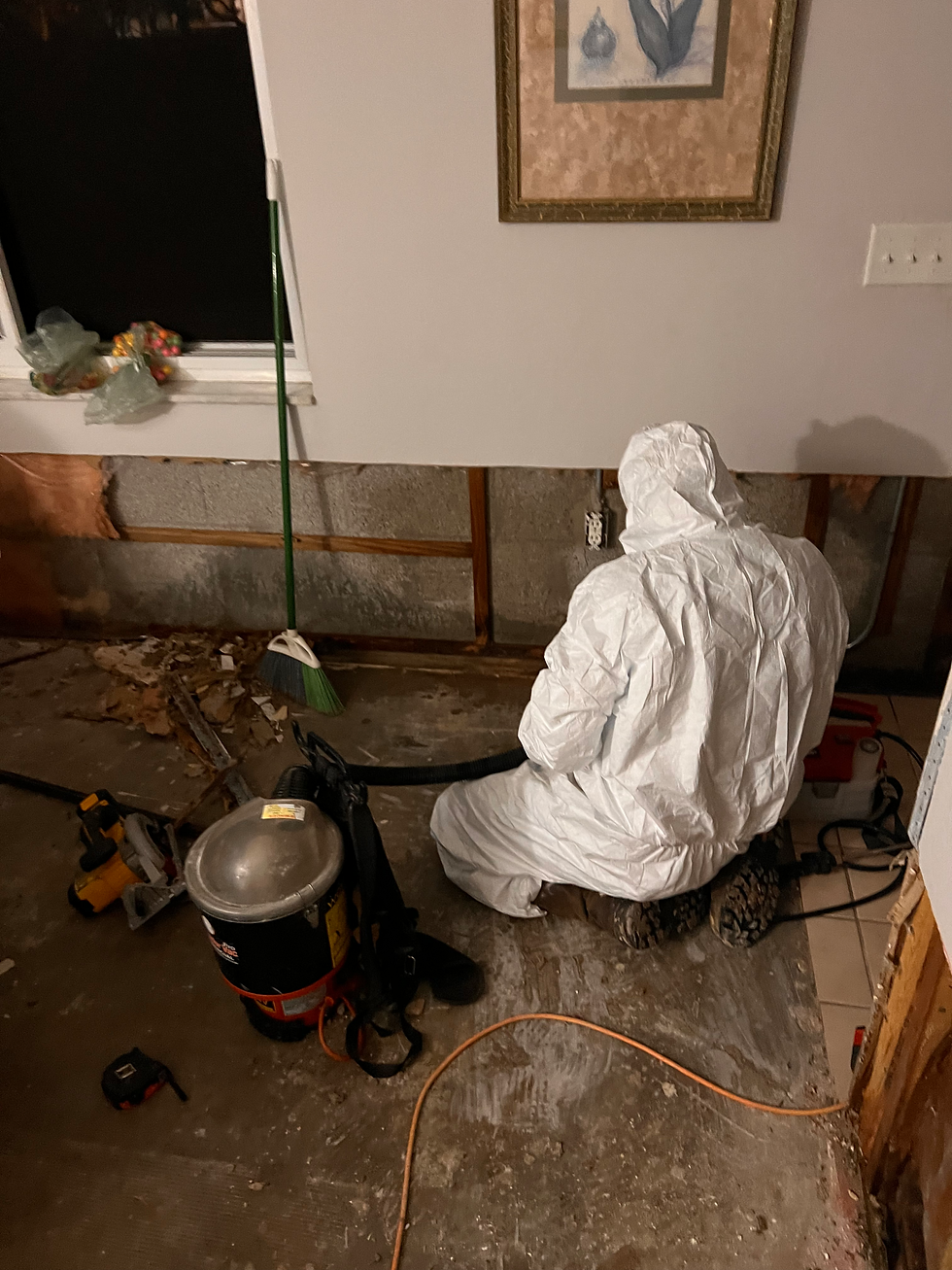
Water can migrate underneath flooring, behind baseboards, into drywall, insulation, cabinets, subflooring and structural framing. That is why professional emergency water extraction in Winchester KY should focus on both removing excess water and determining where the moisture traveled.
Phoenix Remediation & Restoration provides water extraction, moisture detection and professional water damage mitigation for residential and commercial properties in Winchester, Clark County and surrounding Central Kentucky communities.
Water emergency? Call or text 859-585-3750.
What Should You Do First After Discovering Water Damage?
Your first actions can help reduce additional property damage.
1. Protect Yourself
Do not enter standing water when electrical hazards may be present.
If water has reached electrical outlets, appliances, extension cords, equipment or a breaker panel, stay out of the affected area until the electrical hazard has been addressed.
Water involving sewage or other contamination should also be treated differently from an ordinary clean-water plumbing leak.
Keep children and pets away from affected areas.
2. Stop the Water Source When Possible
If the water is coming from a broken plumbing line or fixture and you can safely access the shutoff, stop the flow of water.
This may involve shutting off:
- The affected fixture
- An appliance supply line
- A water heater supply
- The home's main water valve
If you aren't sure where the water is coming from, avoid unnecessary demolition or disturbance until the source can be identified.
3. Photograph the Damage
When practical, take photographs and video before major cleanup begins.
Document:
- Standing water
- Wet flooring
- Damaged drywall
- Water staining
- Wet ceilings
- Cabinets
- Contents
- Adjacent rooms
- The apparent water source
- Water that traveled to lower floors
Documentation may be useful if an insurance claim becomes involved.
4. Begin Water Extraction
Standing water should generally be removed as quickly as practical.
Professional water removal and emergency extraction reduces the amount of water remaining inside the structure and helps prepare the affected areas for additional mitigation and drying.
However, removing standing water does not automatically mean the building is dry.
That's an important distinction.
Where Can Water Hide After a Leak?
Water follows gravity, but it can also migrate laterally through porous materials and construction assemblies.
After a water loss, moisture may be present in areas that appear dry from the surface.
Common locations include:
- Behind baseboards
- Inside drywall
- Behind cabinets
- Under vinyl plank flooring
- Beneath hardwood
- Under carpet padding
- Inside insulation
- Between floors
- Above ceilings
- Inside wall cavities
- In subflooring
- In floor joists
- In crawlspaces
Professional moisture inspection helps determine whether additional areas were affected.
Phoenix's water damage mitigation services include moisture detection, structural drying, dehumidification and monitoring when appropriate.
Common Water Damage Emergencies in Winchester Homes
Burst Pipes
A burst plumbing line can release water continuously until the supply is shut off.
Water may travel through several rooms or between floors before the problem is discovered.
Cold weather, aging plumbing, damaged fittings and plumbing failures can all contribute to unexpected pipe leaks.
Water Heater Failures
A leaking or ruptured water heater can release a significant amount of water into:
- Basements
- Utility rooms
- Closets
- Garages
- Crawlspaces
- Adjacent living areas
When a large amount of water is present, emergency water extraction may be needed before structural drying begins.
Washing Machine Leaks
Washing machine hoses, drain lines and internal components can fail.
Because washing machines can discharge substantial quantities of water, damage may extend underneath flooring or into adjoining rooms.
Dishwasher Leaks
Dishwasher leaks may remain hidden beneath cabinets and flooring before visible damage appears.
Watch for:
- Warped flooring
- Swollen cabinet bases
- Musty odors
- Staining
- Soft materials around the appliance
Toilet Overflows
A toilet overflow can range from a relatively minor water event to a contaminated loss depending on the source and contents of the water.
Contaminated water requires additional precautions.
Roof Leaks
Roof leaks may affect attic insulation, ceilings, drywall and wall cavities.
The place where water becomes visible inside the home may not be directly below the point where the roof is leaking.
Basement Flooding

Water can enter a Winchester basement because of:
- Plumbing failures
- Heavy rainfall
- Foundation seepage
- Drainage problems
- Sump pump failure
- Groundwater intrusion
Recurring basement water may indicate a drainage or waterproofing problem in addition to the immediate water damage.
Emergency Water Extraction vs. Water Damage Mitigation
These services are related, but they're not identical.
Water Extraction
Water extraction focuses on removing standing or excess water from the property.
Professional extraction equipment can remove significantly more water than household towels, mops or basic wet/dry vacuums.
Water Damage Mitigation
Mitigation addresses the broader damage caused by the water.
Depending on conditions, water damage mitigation in Winchester may include:
Water extraction- Moisture inspection
- Moisture mapping
- Contents protection
- Removal of unsalvageable materials
- Air movement
- Dehumidification
- Structural drying
- Moisture monitoring
- Cleaning
- Documentation
- Restoration planning
Extraction gets the excess water out.
Mitigation addresses what the water affected.
Why Structural Drying Matters
After extraction, moisture may remain inside building materials.
This remaining moisture must be managed appropriately.
Commercial drying equipment may include:
Air Movers
Air movers increase airflow across wet surfaces to promote evaporation.
Dehumidifiers
Dehumidifiers remove moisture from the air so additional moisture can continue evaporating from wet materials.
Moisture Meters
Moisture meters help restoration technicians evaluate whether building materials remain wet.
Environmental Monitoring
Temperature and relative humidity readings can help evaluate the drying environment.
Professional drying is therefore more than simply placing several fans in a room.
The drying process should be evaluated using actual moisture measurements.
Do Wet Walls Always Have to Be Removed?
No.
Not every material that becomes wet automatically needs demolition.
Whether a material can be dried depends on factors such as:
- Type of water
- Material composition
- Amount of saturation
- Duration of exposure
- Contamination
- Accessibility
- Material deterioration
- Construction assembly
- Ability to establish effective drying conditions
Professional mitigation should identify the materials that actually require removal rather than performing unnecessary demolition.
Signs of Hidden Water Damage
After the visible water has been removed, watch for:
- Musty odors
- Peeling paint
- Bubbling paint
- Water stains
- Swollen baseboards
- Soft drywall
- Warped flooring
- Discoloration
- Elevated humidity
- Condensation
- Wet insulation
- Unexplained microbial growth
These conditions don't automatically prove that hidden moisture remains, but they can justify further investigation.
Can Water Damage Lead to Mold?
Persistent moisture can create conditions favorable for microbial growth.
That does not mean every water loss automatically develops into a mold problem.
However, unresolved moisture behind walls, beneath flooring, in crawlspaces or inside other building assemblies can create favorable conditions.
This is one reason professional water mitigation focuses on finding moisture, not simply removing visible water.
If microbial growth is discovered, Phoenix Remediation & Restoration can evaluate the property and determine what additional remediation steps may be appropriate.
Water Damage in Winchester Crawlspaces
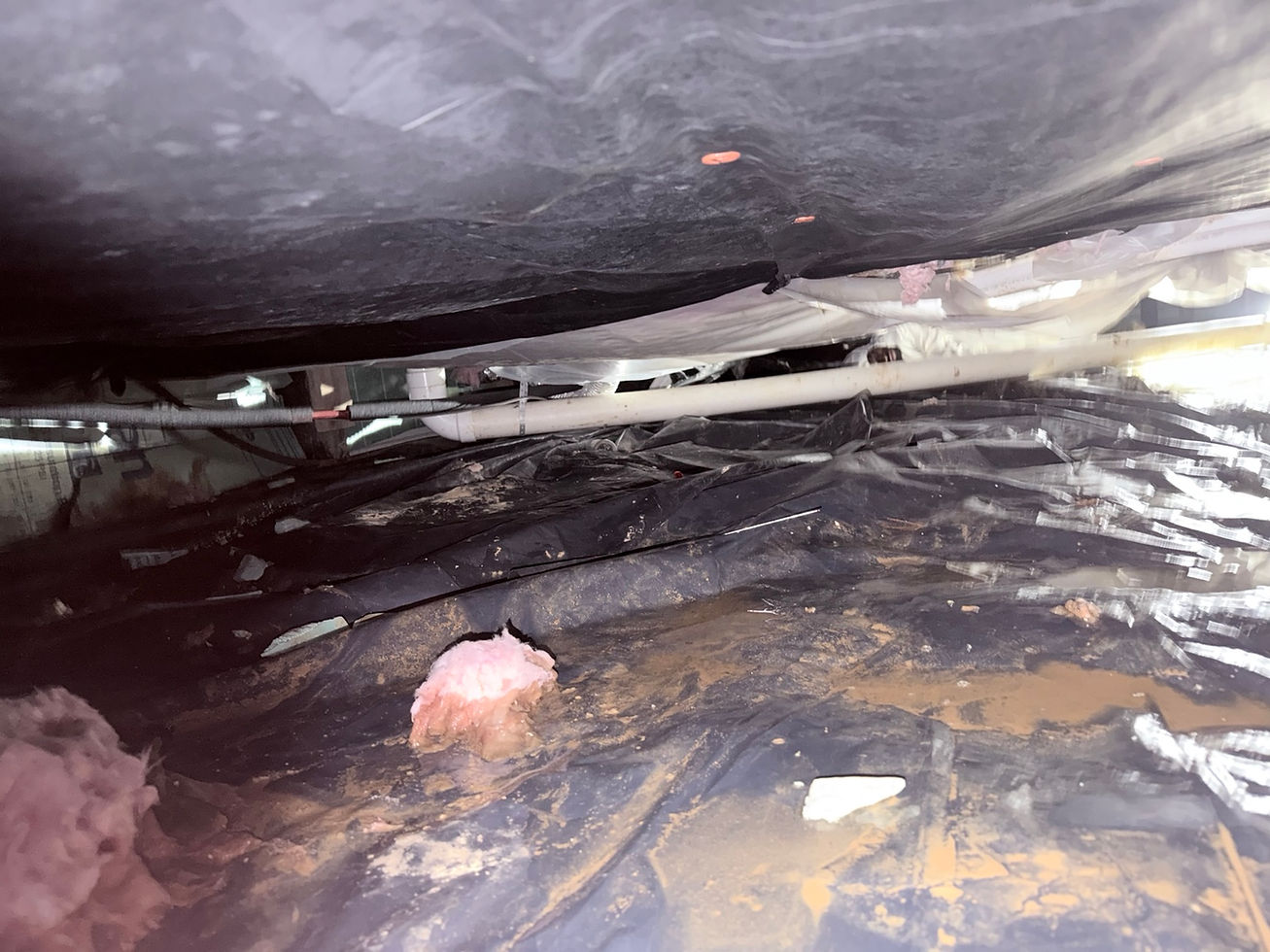
Water entering a crawlspace can affect more than the ground beneath the house.
Persistent crawlspace moisture can contribute to:
- Wet insulation
- High humidity
- Condensation
- Moisture in floor joists
- Subfloor deterioration
- Musty odors
- Microbial growth
- HVAC moisture problems
Some crawlspace water problems require more than extraction.
Long-term solutions may involve drainage improvements, waterproofing, vapor barriers, encapsulation, sump systems or dehumidification depending on the source of moisture.
What About Water Damage Insurance Claims?
If an insurance claim may be involved, documentation can be very important.
Property owners should consider keeping:
- Photographs
- Videos
- Contractor reports
- Moisture readings
- Equipment records
- Estimates
- Invoices
- Damaged-content lists
- Receipts
- Communications with the insurance company
Phoenix can provide restoration documentation and detailed estimating when appropriate.
Coverage decisions are made by the insurance company according to the terms of the applicable policy.
When Should You Call a Water Damage Company?
Consider professional assistance when:
- Significant standing water is present
- Multiple rooms are affected
- Water entered walls
- Flooring is saturated
- Insulation became wet
- Water traveled between floors
- A basement flooded
- A crawlspace flooded
- Sewage is involved
- You suspect hidden moisture
- Commercial property is affected
- Professional drying is needed
- Insurance documentation is required
For active flooding or standing water, contact a professional emergency water extraction company.
Winchester KY Water Damage FAQs
Do you provide emergency water extraction in Winchester KY?
Yes. Phoenix Remediation & Restoration provides professional water extraction and water damage mitigation for residential and commercial properties in Winchester, Kentucky and surrounding Clark County communities.
How quickly should standing water be removed?
Standing water should generally be addressed as quickly as practical to reduce additional water migration and damage to building materials.
Is water extraction the same as structural drying?
No. Extraction removes excess water. Structural drying addresses moisture remaining inside affected building materials.
Can water be trapped underneath vinyl plank flooring?
Yes. Water can migrate underneath flooring and into underlayment or subflooring depending on the flooring system and water loss.
Can you detect water behind drywall?
Professional moisture meters and other inspection methods can help identify elevated moisture in drywall and other building materials.
Do you handle flooded basements?
Yes. Phoenix provides water damage mitigation and emergency extraction for basement water losses.
Can you help with an insurance claim?
Phoenix can document the restoration conditions and work performed and provide estimates when appropriate. Insurance coverage decisions remain with the carrier.
Need Emergency Water Extraction in Winchester KY?
If your home, rental property or business has experienced a burst pipe, appliance leak, water heater failure, basement flood or another unexpected water loss, don't assume everything is dry just because the visible water is gone.
Phoenix Remediation & Restoration provides professional emergency water extraction in Winchester, Kentucky, moisture inspection, structural drying and water damage mitigation.
🌐 Phoenix Remediation & Restoration
📞 Call or Text: 859-585-3750
About the Author
Jason H. is a restoration professional with specialized industry training involving water damage restoration, structural drying, microbial remediation, fire and smoke restoration, odor control, mold inspection and property-damage estimating.
Phoenix Remediation & Restoration serves Winchester and surrounding Central and Eastern Kentucky communities.
About the Author
Jason H. is a restoration professional with specialized training and certifications in water damage restoration, applied structural drying, microbial remediation, fire and smoke restoration, odor control, mold inspection, and Xactimate estimating.
Learn more about Phoenix Remediation & Restoration or call 859-585-3750 for restoration assistance in Central and Eastern Kentucky.
PHOENIX • VISUAL FIELD GUIDE
Water damage: follow the moisture
Emergency Water Extraction in Winchester KY: What Homeowners Should Do First


Comments
Post a Comment
Questions about water damage, mold, crawlspaces, waterproofing, fire damage, or property restoration? Leave a comment below. We welcome homeowner questions and professional discussion. Please keep comments respectful, relevant, and free of spam or promotional links. For professional restoration assistance, visit Phoenix Remediation & Restoration or call 859-585-3750.